

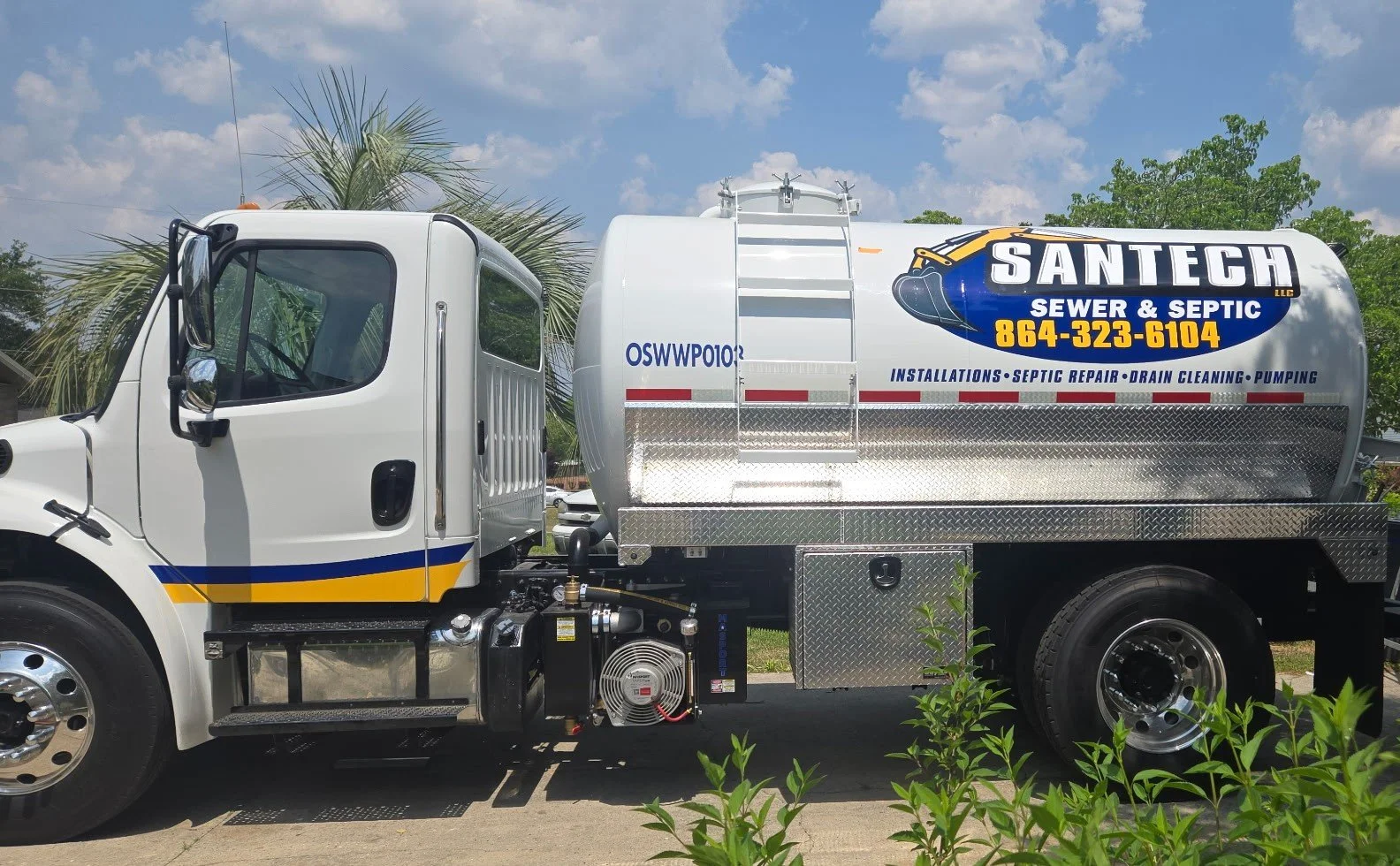
Grease Trap Cleaning and Pumping
Batesburg-Leesville, SC and Surrounding Areas
Fully Licensed, Bonded, and Insured
Commercial Grease Trap Services In The Batesburg-Leesville, SC and Surrounding Areas
Operating a busy kitchen in South Carolina? Then you know how important it is to keep your grease trap clean, pumped, and in compliance with local regulations.
At Santech Sewer and Septic, we specialize in reliable, efficient, and fully licensed grease trap cleaning and pumping services for food service businesses across Batesburg-Leesville and surrounding areas.
Whether you manage a restaurant in Lexington , or a Hotel in Irmo, we’ve got you covered.
If you're searching for
“grease trap cleaning and pumping near me” you’ve found the local pros who get it done right.
Keep your commercial kitchen safe, clean, and compliant with professional grease trap pumping and cleaning services. We remove built-up fats, oils, and grease from grease traps and interceptors to help prevent clogged drains, foul odors, backups, and costly plumbing issues. Our reliable grease pumping service is ideal for restaurants, cafeterias, food trucks, hotels, schools, and other commercial kitchens that need routine maintenance and dependable service.
-
The frequency of grease pumping depends on the size of the grease trap, the type of business, and the amount of grease produced. Restaurants, cafeterias, food trucks, hotels, and other food service businesses typically require routine pumping to prevent buildup, odors, backups, and plumbing issues.
-
Grease pumping is commonly needed for restaurants, commercial kitchens, cafeterias, schools, hotels, food trucks, assisted living facilities, and any business that prepares or serves food. Any facility that produces fats, oils, and grease should have a proper grease management program.
-
A grease trap is typically a smaller unit designed to capture grease near individual fixtures, while a grease interceptor is a larger underground tank designed for higher-volume commercial operations. Both require regular maintenance and pumping to work properly.
-
Common signs include strong grease odors, slow drains, backups, visible grease buildup, plumbing problems, or a grease trap that is overdue for service. Regular scheduled maintenance is the best way to prevent these issues.
Is It An Emergency?
Call Today!
Why Regular Grease Pumping Is Important
Regular grease trap pumping is essential for any commercial kitchen, restaurant, cafeteria, food truck, hotel, or food service business. Over time, fats, oils, and grease build up inside the grease trap or interceptor, reducing its ability to separate grease from wastewater. If the trap is not cleaned on a routine schedule, grease can enter your plumbing, sewer lines, or septic system, causing clogged drains, foul odors, backups, costly repairs, and possible service interruptions.
In South Carolina, grease trap maintenance is also an important part of staying compliant. For food service facilities served by onsite wastewater or septic systems, South Carolina DES requires grease traps to be properly sized, accessible, and cleaned frequently to help prevent grease from reaching the drain field. South Carolina Regulation 61-56 also places responsibility on the owner or manager to have grease traps cleaned by a licensed septage pumper at frequent intervals. Local sewer utilities may also have grease control requirements, inspections, and maintenance log rules; for example, Charleston Water requires food service establishments to maintain grease traps and keep maintenance records, with pumping at least four times per year or as determined by an inspector.
Routine grease pumping helps your business:
Prevent clogged drains, sewer backups, and kitchen shutdowns
Reduce foul odors and unsanitary grease buildup
Protect plumbing, sewer lines, septic systems, and drain fields
Stay prepared for local grease trap inspections
Maintain service records for compliance
Avoid costly emergency repairs and potential fines
-
Yes. SANTECH Sewer and Septic provides grease pumping services for commercial kitchens, restaurants, and food service businesses throughout Batesburg-Leesville, Lexington, Newberry, Saluda, Prosperity, Ridge Spring, Aiken, and surrounding South Carolina areas.
-
Excess grease can damage septic systems by entering the tank and drain field, causing buildup, reduced treatment performance, and potential system failures. Routine grease pumping helps protect septic components and extend system life.
-
Many food service businesses are required to properly maintain grease traps and interceptors to prevent grease from entering wastewater systems. Maintenance schedules may vary depending on local requirements, system design, and inspection guidelines.
-
Yes. Regular grease pumping removes accumulated fats, oils, and grease before they cause blockages, backups, odors, and expensive emergency repairs.